


Shubho Nobo Borsho ! (Bengali New Year )
Popular Posts
-
Pongal Puja – How to do Thai Pongal Pooja? Talk about Pongal festival and the first thing that comes to mind is the boiling over of...
-
HAPPY NEW YEAR "Cheti Chand jyon Lakh Lakh Wadayun Athav" J A I J H U L E LA L May Peace Hope ...
-
Michhami Dukkadam! On this auspicious occasion of Paryushan we wish you all Michhami Dukkadam! We beg your forgiveness from in...
-
Today is Ashadi Ekadasi or Shyani Ekadashi. Shirdi Majhe Pandarpura Sai Baba Ramavara. (Shirdi is my Pan...
-
Dear parivar members / friends / well-wishers, Greetings & Namaskar. तुम्हा सर्वाना शुभ मकर संक्रांति Til gud ghya, god god...
-
Paryushan Parva is the king of all festivals and hence is known as Parvadhiraj. Parvadhiraj Paryushana, this festival has the...
-
!Good Morning ~Have A Nice Day ! ONE . N ever Loose ur Confidance , Work Hard to Achieve ur Goal, Learn from Failure Then u can ge...
-
Nine Colours of Navratras&Wish you allSHUBHA NAVRATRI W hats navratra? N- nav chetna A- akhand jyoti V- vighn nas...
-
HEARTY TAMIL NEW YEAR GREETINGS் ( இனிய தமிழ் புத்தாண்டு நல்வாழ்த்துக்கள் ) ...
Wednesday, April 15, 2015


Saturday, April 11, 2015
<>Mother <>
<>Mother <><>Mother<>

A Mother is a wonderful person in life,in fact the most energetic.You can see her like Shakespeare comparing the world to seven stages in which we play different roles.
The mother takes up various roles to suit the various needs of her child. The first three years she is a lightsleeper and an early riser and has the patience to rock and cuddle a crying child.
Then she jogs along with her toddler,to match the boundless energy of her toddler. She is an athelete &caretaker at that stage.
She becomes the best Montessori teacher for her child in its formative years.
Then she realises that it is not enough to be only a Montessori teacher, so she becomes a musician, artist, story teller and a reading expert to equip herself to answer and describe all the unending stream of questions asked by the child and answers all calmly, patiently and correctly.
She accompanies her child to playschool, to the kindergarten,primary classes, the hobby classes and extra classes.
She rehearses all the above,and who else do you think can be a better person to be given the best teachers award in life?
At teenage the role of a mother turns to a protector ,apsychologist and a mentor.
HATS OFF TO THE PERSON CALLED MOTHER.

PLANT TREES TO SAVE ENVIRONMENT.
.
YOU MAY VISIT&FWD TO YOUR FRIENDS
Tuesday, April 7, 2015
<><>Good Morning<><>
<><>Good Morning<><>

4Things never come Back.
The spoken Words.
The wasted Time.
The past Life.
The neglected Opportunity.
So think Twice and Act Wise.

What you want to see in others,
you must first see it inside you.
What you expect from others,
you must first expect it from yourself.
Life is just a mirror.

WorldHealthDay 2015
WorldHealthDay 2015
Foodborne diseases - symptoms and prevention

Irengbam Jenny
'Food safety' is the theme picked by World Health Organisation (WHO) for World Health Day 2015. It will focus on food safety, causes of foodborne diseases and ways to keep these diseases at bay. Food should be transported and kept in clean and hygienic places as it leads to the cause of many diseases and that is the focal point of this year’s World Health Day.
Here is some information that may come handy:
What is a foodborne disease?
Foodborne diseases are infections caused by a variety of bacteria, viruses and parasites. The diseases can also be caused by toxins and chemicals present in the contaminated food or drinks.
A foodborne disease is acute, happens suddenly and last for a short period of time or can extend for longer. The disease may also lead to more serious complications which can be fatal too.
Causes of Foodborne diseases
The diseases can be caused by consumption of contaminated food and beverages. Foodborne diseases are caused by strains of bacteria, viruses or chemicals present in the food.
Raw food items like meat, poultry, fish and shellfish, eggs, unpasteurized milk and dairy products, and fresh produce are a major cause of foodborne diseases across the world, because they often contain harmful bacteria.
Symptoms of Foodborne diseases:
One goes through certain symptoms of the diseases which should be checked immediately by a medical practitioner to prevent more harm to the body.
Symptoms of the disease depend on the cause. Some of the common symptoms of the diseases are vomiting, diarrhoea or bloody diarrhoea, abdominal pain, fever and chills. The disease can also lead to dehydration, hemolytic uremic syndrome (HUS), and other complications.
The symptoms can range from mild to severe and can last from few hours to several days.
Types of foodborne diseases:
Hepatitis A: This viral disease is transmitted by human carriers who prepare and serve uncooked food items which can carry the HAV. The disease may also cause liver damage and death. There are vaccinations for the disease.
Salmonella: Salmonella poisoning is often caused by the bacteria in contaminated meat, poultry and eggs that are eaten raw or ate undercooked. It can also be caused by foods that come into contact with contaminated foods during preparation.
Staphylococcus aureus: This disease most often affects the skin and the throat. The infection is usually transmitted during food handling and preparation.
Clostridium botulism: It is usually caused by food items that are canned at home which are either improperly prepared or are stored in poorly sealed containers.
Clostridium perfringens: This disease is also called the “buffet germ” and is caused by foods that are displayed in cafeteria lines or in chafing dishes, when the temperature is not properly controlled.
Shigellosis: The disease Shigellosis is caused by Shigella bacteria and can be transmitted from humans to humans via poor sanitary habits. The disease starts mostly from raw foods like poultry, milk and dairy products, salads etc. that require a lot of mixing and human handling in the preparation stage.
Viral gastroenteritis: The disease is caused by virus and can be contracted when contaminated shellfish is eaten raw or is only partially cooked. Viral gastroenteritis can also spread if an infected person prepares the food.
How to protect yourself from foodborne disease?
·We can protect ourselves from foodborne diseases by following a proper food handling process.
·Avoid eating too much of raw food as it is the most common cause of foodborne disease.
·Always check the expiry date on meats and eggs before purchasing and again before preparing.
·Avoid unpasteurized milk or food items made from unpasteurized milk.
·Always wash the fruit and vegetables thoroughly before eating and/or cooking them.
·Avoid consuming canned food or drinks if the containers are damaged or bloated.
·Keep the food and your kitchen neat and clean, and make sure that you eat only from hygienic places outside.

Food safety: Food sources, tips to prevent food poisoning
Food safety can be referred to the conditions and practices that preserve the quality of food to prevent contamination and foodborne illnesses.
According to WHO, there are five key principles of food hygiene, they are:
1. Prevent contaminating food with pathogens spreading from people, pets, and pests.
2. Separate raw and cooked foods to prevent contaminating the cooked foods.
3. Cook foods for the appropriate length of time and at the appropriate temperature to kill pathogens.
4. Store food at the proper temperature.
5. Use safe water and raw materials.
Sources
Although all foods can become contaminated, higher risk foods include red meats, poultry, eggs, cheese, dairy products, raw sprouts, and raw fish or shellfish. Hence, extra care is needed in handling, storing and preparing these items in order to avoid from severe health hazards.
Below are a few tips to prevent food poisoning:
All milk, yogurt, cheese and other dairy products should have the word "Pasteurized" on the container.
Avoid eating foods that contain raw eggs (such as caesar salad dressing, raw cookie dough, and egg nog.
Do not eat raw honey, and honey should not be given to children under 1 year of age.
Shun eating soft cheeses
Do not eat raw vegetable sprouts
Shellfish that has been exposed to red tides should not be eaten
Make sure that you wash all raw fruits, vegetables, and herbs with cold and running water
Do not eat raw vegetables or unpeeled fruit
Eat only hot, freshly cooked food
Drink only boiled water


Your appreciation  is our inspiration
PLANT TREES TO SAVE ENVIRONMENT.

Friday, April 3, 2015
Hanuman Jayanti=2015=4 th APRIL
Hanuman Jayanti=2015=4 th APRIL


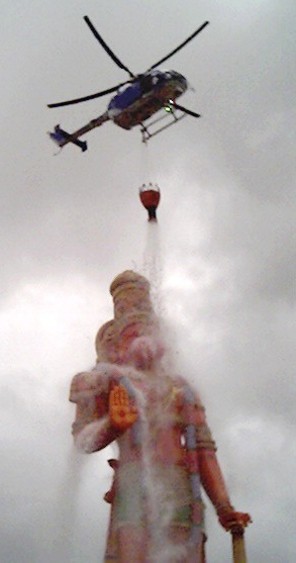


RAMNATH
HANUMAN JAYANTI
Introduction
HanumanJayanti is a hindu festival celebrated all over India to commemorate the birth of Lord Hanuman. He was born to (Wind-God) Kesari and Anjani. According to legends he was born as a monkey god to serve Parmatama Lord Ram.
A Brief BackgroundHanumanji was given birth after a number of divine events. Anjani performed penance and Lord Shiva was pleased, so blessed her.He was granted a son after Vayu, the Wing God also blessed him.
Lord Hanuman was born on the chaitra Shukla Purnima(Full moon day on the Hindu Calendar Month of Chaitra). Also called by the names, Maruti, Pavanputra, Bajrangbali and Mahavira.
In most Hanuman mandirs, Lord Hanuman is worshiped either along with Lord Ram or seperately in temples.Also known as an avatara of Lord Rama, he is considered the God of power (Maruti).He was a brahmachari or celebate. Hanuman became a legend mainly for his unflinching devotion and loyalty for Paramatma Lord Ram.
He was an ideal karma yogi for his fearless, selfless service, humility and devotion for Lord Ram.Lord Hanuman is the only deity that cannot be troubled by negative energies.
Priests bathe the idol of Hanuman and smear it with oil and sindoor. Special prayers are held and Hanuman Chalisa is also recited by his devotees. This festival is more important among brahmacharis, body builders and wrestlers. Spiritual discourses are held on this day from dawn and prasads are distributed only after sunset. Saturday and Tuesday are considered as auspicious days to worship Lord Hanuman.Hanumanji is considered as a symbol of strength and energy. Lord Ram is rememberedand prayed on this day.
What is hanuman”s original name?
Scholars argue that immediately after the birth of Hanuman his mother Anjana named him Sunder(handsome boy) as he was extremely charming owing to the Divine Power imbibed in him. In support of this supposition a number or scholars say that the fifth chapter of the Ramcharitmanas which abounds in great and glorious deeds of Hanuman has been entitled as Sunder Kand (so also in Valmiki Ramayana).
| |
| Anjaneya | : Son of Anjana |
| Anjanagarbhasambhoota | : Born of Anjani |
| Ashokavanikachhetre | : Destroyer of Ashoka Grove |
| Akshahantre | : Slayer of Aksha |
| Balarka Sadrushanana | : Like the Rising Sun |
| Bheemasenasahayakrute | : Helper of Bheema |
| Batnasiddhikara | : Granter of Strength |
| Bhakthavatsala | : Protector of Devotees |
| Bajrangbali | : With strength of diamod |
| Bhavishya Chaturanana | : Aware of Future Happenings |
| Chanchaladwala | : Glittering Tail Suspended Above The Head. |
| Chiranjeevini | : Eternal Being |
| Chaturbahave | : Four-Armed |
| Dashabahave | : Ten-Armed |
| Danta | : Calm |
| Dheera | : Valiant |
| Deenabandhave | : Protector of the Downtrodden |
| Daithyakulantaka | : Destroyer of Demons |
| Daityakarya Vidhyataka | : Destroyer of All Demons” Activities |
| Dhruddavrata | : Strong-Willed Meditator. |
| Dashagreevakulantaka | : Slayer of the Ten-Headed Ravana Race |
| Gandharvavidya Tatvangna | : Exponent in the Art of Celestials |
| Gandhamadhana Shailastha | : Dweller of Gandhamadhana |
| Hanumanta | : Puffy Cheeks |
| Indrajit Prahitamoghabrahmastra Vinivaraka | : Remover of the Effect of Indrajit”s Brahmastra |
| Jambavatpreeti Vardhana | : Winning Jambavan”s Love |
| JaiKapeesh | : Hail Monkey |
| Kapeeshwara | : Lord of Monkeys |
| Kabalikruta | : Swallower of the Sun |
| Kapisenanayaka | : Chief of the Monkey Army |
| Kumarabrahmacharine | : Youthful Bachelor |
| Kesarinandan | : Son of Kesari |
| Kesarisuta | : Son of Kesari |
| Kalanemi Pramathana | : Slayer of Kalanemi |
| Harimarkatamarkata | : Lord of Monkeys |
| Karagrahavimoktre | : One who Frees from Imprisonment |
| Kalanabha | : Controller of Time |
| Kanchanabha | : Golden-Hued Body |
| Kamaroopine | : Changing Form at Will |
| Lankineebhanjana | : Slayer of Lankini |
| Lakshmanapranadatre | : Reviver of Lakshmana”s Life |
| Lankapuravidahaka | : He Who Burnt Lanka |
| Lokapujya | : Worshipped by the Universe |
| Maruti | :Son of Marut (wind god) |
| Mahadhyuta | : Most Radiant |
| Mahakaya | : Gigantic |
| Manojavaya | : Speed Like Wind |
| Mahatmane | : Supreme Being |
| Mahavira | : Most Valiant |
| Marutatmaja | : Most Beloved Like Gems |
| Mahabala Parakrama | : Of Great Strength |
| Mahatejase | : Most Radiant |
| Maharavanamardana | : Slayer of the Famous Ravana |
| Mahatapase | : Great Meditator |
| Navavyakruti Pandita | : Skilful Scholar |
| Parthadhwajagrasamvasine | : Having Foremost Place on Arjuna”s Flag |
| Pragnya | : Scholar |
| Prasannatmane | : Cheerful |
| Pratapavate | : Known for Valour |
| Paravidhyaparihara | : Destroyer of Enemies Wisdom |
| Parashaurya Vinashana | : Destroyer of Enemy”s Valour |
| Parijata Tarumoolastha | : Resider Under the Parijata Tree |
| Prabhave | : Popular Lord |
| Paramantra Nirakartre | : Acceptor of Rama”s Mantra Only |
| Pingalaksha | : Pink-Eyed |
| Pavanputra | : Son of Wind god |
| Panchavaktra | : Five-Faced |
| Parayantra Prabhedaka | : Destroyer of Enemies” Missions |
| Ramasugreeva Sandhatre | : Mediator between Rama and Sugreeva |
| Ramakathalolaya | : Crazy of listening Rama”s Story |
| Ratnakundala Deeptimate | : Wearing Gem-Studded Earrings |
| Rudraveerya Samudbhava | : Born of Shiva |
| Ramachudamaniprada | : Deliverer of Rama”s Ring |
| Ramabhakta | : Devoted to Rama |
| Ramadhuta | : Ambassador of Rama |
| Rakshovidhwansakaraka | : Slayer of Demons |
| Sankatamoc-hanan | : Reliever of sorrows |
| Sitadevi Mudrapradayaka | : Deliverer of the Ring of Sita |
| Sarvamayavibhanjana | : Destroyer of All Illsions |
| Sarvabandha Vimoktre | : Detacher of all Relationship |
| Sarvagraha Nivashinay | : Killer of Evil Effects of Planets |
| Sarvaduhkhahara | : Reliever of all Agonies |
| Sarvalolkacharine | : Wanderer of all Places |
| Sarvamantra Swaroopavate | : Possessor of all Hymns |
| Sarvatantra Sawaroopine | : Shape of all Hymns |
| Sarvayantratmaka | : Dweller in all Yantras |
| Sarvarogahara | : Reliever of all Ailments |
| Sarvavidhyasampath Pradayaka | : Granter of Knowledge and Wisdom |
| Shrunkalabandhamoc-haka | : Reliever from a Chain of Distresses |
| Sitashoka Nivarana | : Destroyer of Sita”s Sorrow |
| Shrimate | : Revered |
| Simhikaprana Bhanjana | : Slayer of Simhika |
| Sugreeva Sachiva | : Minister of Sugreeva |
| Shoora | : Bold |
| Surarchita | : Worshipped by Celestials |
| Sphatikabha | : Crystal-Clear |
| Sanjeevananagahatre | : Bearer of Sanjeevi Mount |
| Shuchaye | : Chaste |
| Shanta | : Very Composed |
| Shatakanttamadapahate | : Destroyer of Shatakantta”s Arrogance |
| Sitanveshana Pandita | : Skilful in finding Sita”s Whereabouts |
| Sharapanjarabhedaka | : Destroyer of the Nest made of Arrows |
| Sitaramapadaseva | : Always Engrossed in Rama”s Service |
| Sagarotharaka | : Leapt Across the Ocean |
| Tatvagyanaprada | : Granter of Wisdom |
| Vanara | : Monkey |
| Vibheeshanapriyakara | : Beloved of Vibheeshana |
| Vajrakaya | : Sturdy Like Metal |
| Vardhimainakapujita | : Worshipped by Mynaka Hill |
| Vagmine | : Spolesman |
| Vijitendriya | : Controller of the Senses |
| Vajranakha | : Strong-Nailed |
| Vagadheeksha | : Lord of Spokesmen |
| Yogine | : Saint |
SMILE WITH
RAMNATH
Subscribe to:
Posts (Atom)